Off-court conditioning for padel: what actually matters
29 June 2026
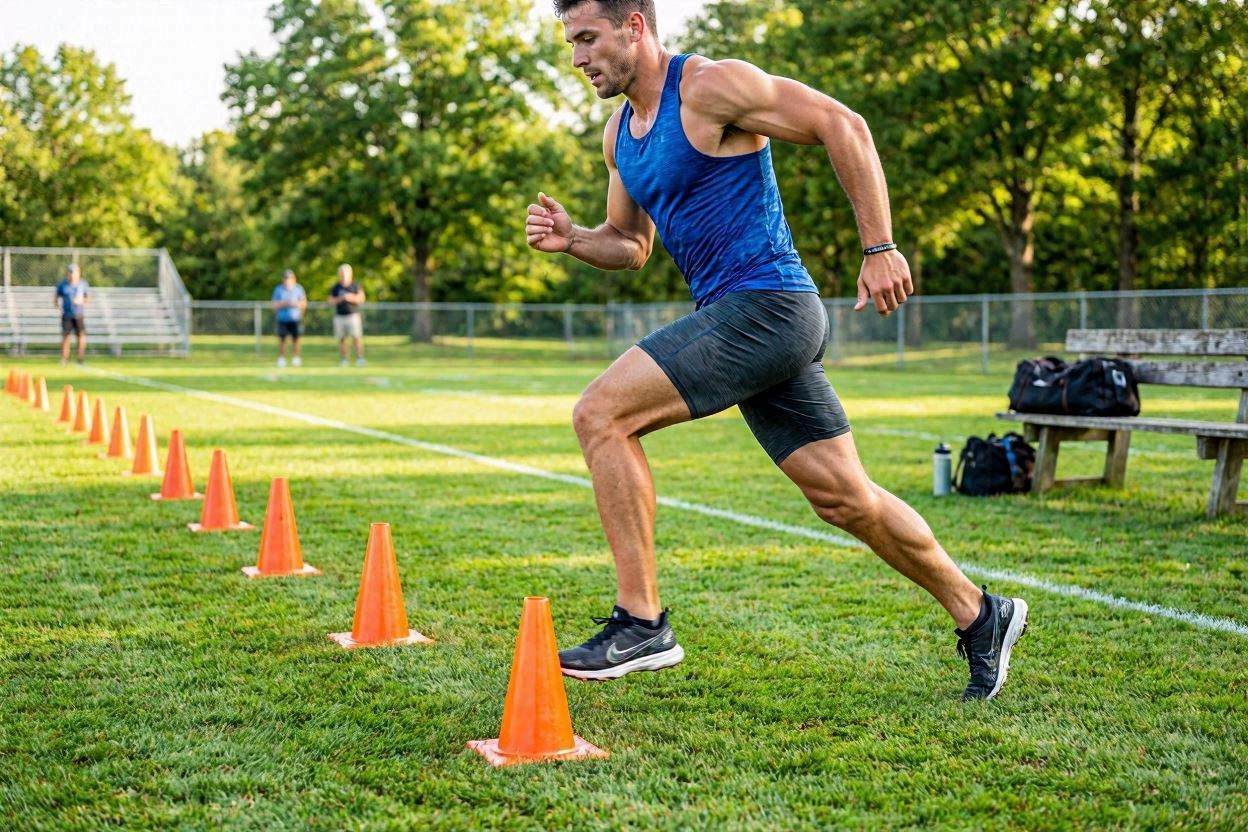
Padel is a stop-and-go game - short explosive bursts, fast changes of direction, and many hours of play over a season. That demands something different from, say, distance running or generic gym strength training.
Why running stamina isn’t the key
Many beginners assume running fitness is the key, but a padel point rarely lasts longer than 10-15 seconds. What actually matters is how quickly you recover between points and how explosive you are in each individual movement - not how far you can jog.
Explosiveness and speed
Short sprint intervals (5-10 meters) with full recovery between reps train exactly the kind of explosiveness padel demands. Add lateral movements and quick direction changes, not just straight-ahead sprints, since that’s how you actually move on court.
Shoulder and hip mobility and stability
Many padel injuries occur in the shoulder (from smashes and volleys) and the hip/groin (from fast lateral movement). Mobility work for shoulder rotation and strength work for hip-stabilizing muscles (e.g. side planks, lateral lunges) significantly reduce injury risk.
Core strength
Almost every shot in padel - smash, bandeja, volley - starts from a strong, stable core. General core work like planks and light rotational exercises transfers more power to the racket than isolated arm strength.
A simple weekly plan
- 2 days: short explosiveness sessions (sprint intervals + direction changes), 20-30 minutes.
- 2 days: strength focused on core, hip, and shoulder stability, 30-40 minutes.
- 1 day: mobility and recovery (light mobility work, optionally foam rolling).
You don’t need to train every day to see a difference - consistency over several weeks beats occasional long sessions.
Summary
Prioritize explosiveness, lateral mobility, and core/hip stability over pure running stamina. Those are the physical qualities that actually show up on court, and the ones that protect you against the most common padel injuries.